Table of Contents
Thinking About the Inca Trail? Think Again, Or Not. Actually Do It.
Many travel experiences challenge your sanity, but hiking the iconic Inca Trail easily ranks among the most entertainingly difficult adventures available to brave and occasionally overconfident travelers.
The trail is famous for its dramatic scenery, ancient stone staircases, breathtaking elevations, and llamas that stare at you with silent judgment while still managing to look irresistibly adorable.
This journey remains one of the world’s most legendary treks, especially if you choose the classic Inca Trail to Machu Picchu 4 Day Hike, which countless travelers attempt every year despite constant warnings that it should never be underestimated.
Most hikers begin with unrealistic optimism, confidently believing their hearts, lungs, and legs are fully prepared for a route clearly designed by ancient engineers who disliked flat ground. However, the trail humbles even the strongest egos in wonderfully comedic ways.
This guide exists to prepare you mentally, physically, spiritually, and sarcastically for the adventure ahead, where your legs may complain, your pride may wobble, but your memories will last forever.
Step 1: Deciding You Are Going to Hike the Inca Trail
It usually begins with a photo. You know the one — Machu Picchu, glowing like a celestial interior decorator personally designed it. You imagine yourself standing there, victorious, windswept, probably crying a little, but in a heroic way.
And then your brain very conveniently forgets about the endless stone stairs, the altitude, the questionable life choices required to get there.
You start reading things online. Real hikers warn you that the trail is “challenging,” “intense,” “humbling,” “a spiritual battle,” etc. Your mind translates all of that into:
“I once climbed broken escalator steps during a power outage, so honestly? I’m basically a mountaineer.”
And somehow — don’t ask how — ten minutes later you’re staring at a confirmation email like, “Well. I guess I’m doing this. Neat.” You announce it to your friends. You pretend you’ve been training. You have not been training. But whatever. The decision is made. Too late to turn back.
Step 2: Training Begins, Even If You Do Not Actually Train
Here’s the thing: training is recommended. Heavily. Intensively. Painfully. People write entire blogs about preparation.
And yet… so many hikers adopt “training plans” that feel more like performance art.
Some folks watch inspirational trekking videos while horizontal on a couch, emotionally preparing their muscles but not actually using them. Some walk up one flight of stairs and call it “a warm-up,” then immediately reward themselves with snacks because “fueling is important.” Others buy fancy trekking poles and leave them in the closet because “saving them for the trail just feels right.”
There’s a whole spectrum of creative nonsense people convince themselves counts as training.
A few of the classics:
- Reorganizing gear instead of testing any of it;
- Buying fitness tools and letting them sit untouched like decorative plants;
- Practicing breathing only when late to work;
- Stretching exclusively when reaching for dropped snacks.
And at some point — magically, delusionally — you declare yourself “ready.” Spoiler: you’re not. But don’t worry, the trail is an excellent teacher. A harsh teacher. A slightly rude teacher. But extremely effective.
Step 3: Packing for the Inca Trail and Realizing You Have Overpacked
Packing feels simple at first. Just throw in the essentials, right? Yeah… no.
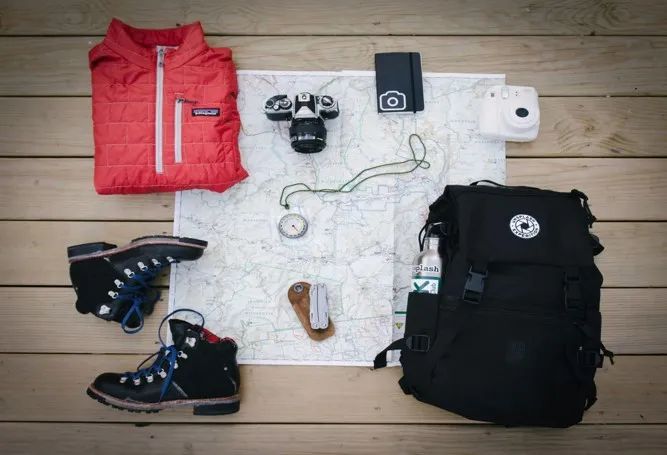
A weird panic takes over. Suddenly, you’re packing like you’re fleeing civilization forever. Sweaters you haven’t worn in years. Socks you didn’t know you owned. Snacks that could feed a mid-sized village. Three flashlights. Five chargers. A towel big enough to cover a Buick. And some bizarre “comfort item” that absolutely does NOT belong anywhere near a mountain.
Then you try to lift your bag.
Your spine speaks. Your soul leaves. You sit down and reevaluate your entire identity.
This leads to a brutal, emotional decluttering session where you question why you thought two full hygiene kits were necessary or why you packed four shoe options “just in case.”
Things hikers almost always regret bringing:
- Huge jackets that weigh more than your will to live;
- Hygiene kits that could survive a zombie apocalypse;
- Extra shoes you swear you’ll need but never will;
- Enough snacks to lure every llama in Peru;
- Electronics you won’t touch even once.
After a few rounds of cutting, trimming, tossing, swearing, reconsidering, panicking, and repacking, your bag finally becomes something a human body can carry without filing a complaint to HR.
Step 4: The Extremely Early Morning Pickup That Feels Slightly Criminal
The adventure begins at a time no sane human should be awake. It’s pitch-black, cold, and honestly kind of sketchy how early it is. You stumble into a van like a confused zombie who has questions about every life decision made so far.
Your guide, for reasons unknown, is chipper. Genuinely upbeat. Maybe caffeinated beyond safe human limits. Maybe just built differently.
Inside the van, you meet the other hikers. Everyone looks lost, exhausted, and collectively regretting agreeing to a pickup time that sounds like it belongs in a bakery schedule, not a vacation.
As the van moves toward Kilometer 82, the mountains start showing up outside the window. Slowly. Dramatically. And the dread turns into excitement because. Well, this is happening now. No turning back.
Step 5: Arriving at Kilometer 82 and Feeling False Confidence
There’s a sudden burst of energy at the trailhead. Everyone’s smiling too big, taking photos, adjusting straps seventeen times, reapplying sunscreen like it’s a sport, and visiting the bathroom out of pure nervous distrust in their own biology.
People do predictable things here:
- Check the same gear over and over;
- Take photos before they become sweaty goblins;
- Apply sunscreen like frosting on a cake;
- Visit the bathroom “just in case” seven times;
- Pretend they’re chill while panicking internally.
Your guide gives a briefing on history, rules, safety, and respect for the land. Half of it goes straight through your brain because you’re too busy staring at the mountains and thinking:
“Oh. This is real. This is actually happening.”
And then you take your first step onto the trail.
Pride kicks in. Fear too. A strange cocktail of “Let’s go!” and “What have I done?” but honestly, that’s the ideal mindset for the Andes.
Step 6: The First Day Pretends to Be Easy but Secretly Judges You
People love to say the first day of the Inca Trail is “the easy one,” but most hikers figure out pretty quickly that this description is a little… optimistic.
The trail throws in enough sneaky uphill stretches to make your lungs file minor complaints, all while the scenery distracts you with huge valleys, ancient ruins, and llamas who stare as if they already know you’re not ready for what’s coming.
You might feel a surprising wave of confidence during this day — that little voice whispering, “Hey, maybe I’m actually pretty fit.” That confidence usually lasts until the next morning. Day One likes to test you quietly, and it does it in ways you only notice halfway through.
A few things tend to give it away:
- Your breathing gets louder even on the “easy” inclines;
- Llamas watch you with that look… that “nice try, human” look;
- Your backpack somehow gains weight every hour.
By the time you reach camp, you eat, laugh, try to act brave, and pretend you’re totally ready for tomorrow. Deep down, everyone knows Day Two is waiting around the corner like a dramatic plot twist.
Step 7: Day Two, Also Known as the Day Your Soul Temporarily Leaves Your Body
Nothing adequately prepares you for the emotional intensity of Day Two, especially because the trail toward Dead Woman’s Pass increases in elevation with ruthless determination.
The oxygen becomes scarce, the stairs appear endless, and the mountain behaves as if it enjoys watching hikers question their life choices while climbing slowly and dramatically toward the summit.
As the air becomes thinner, hikers tend to enter a unique mental state where they alternate between determined self-encouragement and quiet existential evaluations, although these inner conversations somehow help them continue moving upward in surprisingly steady rhythm.
Before you reach the top, it helps to understand what exactly makes this section of the trail feel like a full-body negotiation between your brain, lungs, and legs.
Below are several challenges that make Day Two legendary among hikers who have survived it:
- The altitude affects every single step with increasing intensity, forcing your lungs to work harder even when your pace slows to an embarrassingly gentle crawl.
- The stone stairs become aggressively steep, creating an illusion that the mountain is intentionally amplifying its vertical angles simply to test your determination.
- The switchbacks seem to multiply without warning, and each new turn reveals another stretch of climbing that feels both endless and unavoidable.
- The emotional fatigue grows heavier as the physical effort increases, making the experience feel as if you are battling yourself as much as the mountain.
- The final ascent demands a level of stubbornness you did not know you possessed, yet reaching the summit rewards you with overwhelming pride and relief.
Once you stand at the top, you feel a powerful mix of triumph and disbelief, and you might express it with a long, emotional sentence that captures how far you have come both physically and mentally.
Step 8: Day Three’s Beautiful Landscape Hides Brutally Demanding Descents
Day Three is celebrated for its breathtaking scenery, offering mystical cloud forests, dramatic cliffs, and ancient Inca sites that appear unexpectedly along the trail.
Yet the beauty of the day hides a demanding truth: the long stone descents place intense pressure on your knees and require careful balance at almost every step, especially because the stones have been polished smooth by countless hikers over the centuries.
Despite the difficulty, many travelers describe this day as emotionally rewarding because the combination of cultural richness, natural beauty, and physical challenge creates a meaningful rhythm that keeps you engaged even as your legs begin to protest loudly.
Before you continue through this unforgettable section, it helps to recognize the sensations many hikers consistently report throughout the descent.
Here are several observations that define the unique character of Day Three:
- The early morning clouds create a mystical atmosphere that transforms the landscape into something that feels ancient, sacred, and beautifully surreal.
- The steep stone steps challenge your balance more intensely than anything earlier on the trail, making your trekking poles feel like the most valuable items you packed.
- The ruins appear unexpectedly and feel alive with history, motivating you to slow down and appreciate the culture surrounding the trail.
- The descending path forces your knees to work harder than they prefer, encouraging you to take breaks just to enjoy the moment and reduce the pressure.
- The panoramic views remind you why the Inca Trail is so famous and inspire you to continue despite the discomfort building steadily throughout the day.
Although the descents may feel demanding, Day Three remains a favorite among many hikers because it offers a perfect blend of challenge, beauty, and cultural depth.
Step 9: The Early Wake-Up Call on Day Four Tests Your Willpower
The fourth day begins long before sunrise, forcing hikers out of their warm sleeping bags at an hour when even the stars seem confused about why anyone would willingly be awake, and you move through the dark campsite with slow and deliberate effort while trying to convince your sleepy brain that walking toward the Sun Gate in the cold darkness is a brilliant idea.
The trail leads you into a misty and quietly cinematic forest where the only light comes from headlamps bouncing softly along the path as hikers move through the shadows with a mixture of determination and disbelief.
Before you reach the Sun Gate, you run into one last obstacle called the Monkey Steps.
It’s a steep, weirdly shaped stone staircase that does not care about your dignity.
You can’t just walk up it — you have to use both your hands and your feet. Your balance feels shaky in the early morning light, which makes everything even funnier. People scramble up in the most ungraceful ways, and the whole scene becomes accidentally hilarious. The climb sends a jolt of adrenaline through your exhausted body. That burst of energy is exactly what gets you through the final stretch.
Once you climb past this final dramatic ascent, the Sun Gate comes into view, and the first light of morning spreading across Machu Picchu makes every difficult moment of the journey feel completely and unquestionably worth it.
Step 10: Arriving at the Sun Gate and Feeling Overwhelmed by Emotion
Arriving at the Sun Gate is one of the most unforgettable emotional moments many hikers experience in their lifetimes. The view of Machu Picchu materializing through the morning mist creates an atmosphere so powerful that it becomes genuinely difficult to describe in words.
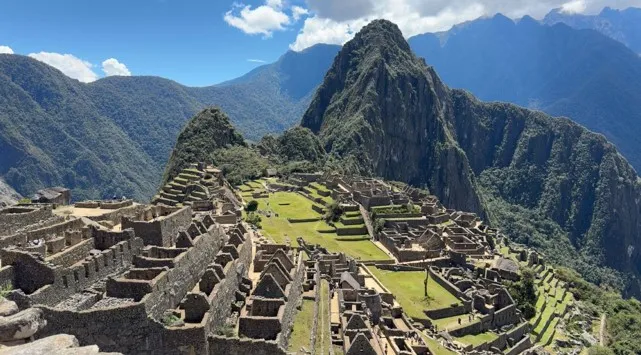
Since short emotional exclamations are not allowed in our structural rules, you might express your feelings with a sentence such as, “I am experiencing an overwhelming combination of pride, joy, relief, and amazement because I have finally reached this extraordinary destination that I have been dreaming about for so long.”
The sense of accomplishment feels immense as you gaze upon the ancient city for the first time. Many hikers experience a profound emotional release that combines triumph, gratitude, exhaustion, and awe. The view from the Sun Gate represents not only the end of a physical journey but also the completion of a deeply symbolic personal transformation.
Slowly descending into the archaeological site, you feel a powerful connection to history, imagining the sacred rituals and daily lives of the ancient Inca people who walked these paths centuries ago. The stone terraces, temples, and surrounding mountains combine to create one of the most iconic landscapes anywhere on Earth.
Before exploring the ruins, many hikers appreciate understanding why the arrival at Machu Picchu feels uniquely meaningful.
These emotional realities explain the significance of the final moment:
- The trail challenges both the mind and body in transformative ways.
- The sunrise creates a surreal atmosphere that feels dreamlike.
- The ruins carry an intense historical and spiritual presence.
- The sense of achievement becomes incredibly powerful and lasting.
- The entire experience feels larger than words can ever express.
Finishing the trail and reaching Machu Picchu becomes a memory you will cherish forever.
Step 11: You Now Possess a Lifetime of Glorious Travel Stories
After completing the Inca Trail, you gain the extraordinary privilege of telling your story for the rest of your life.
You will talk about the stairs, the altitude, the llamas, the food, the scenery, and the dramatic personal transformation that occurred during the journey. You will share tales of emotional triumph and physical struggle, all delivered with a humorous tone, because looking back, everything feels strangely entertaining.
You may even find yourself repeatedly referencing the Inca Trail whenever people discuss fitness, travel, endurance, or mountains. Friends and relatives might pretend they are tired of hearing your stories, yet deep down, they admire your courage and secretly wish they could experience something equally epic.
Completing the trail provides you with a unique sense of pride, not only because the journey is historically significant but also because you pushed yourself through physically demanding challenges while maintaining your sense of humor.
This combination creates a powerful travel memory that defines your personal resilience and appreciation for nature.
Step 12: Funny Moments You Will Never Forget
Many hikers treasure the humorous memories created during the trek because the trail offers countless opportunities for laughter.
You might encounter a llama standing confidently in the middle of the path, refusing to move with the absolute authority of a royal guardian.
You may see porters sprinting up the trail with astonishing speed, carrying significantly heavier loads than anything you have ever attempted to lift in your life.
You might discover that your hiking partner talks to their trekking poles when stressed, or that your own breathing becomes strangely dramatic at high altitude.
During these amusing moments, you inevitably learn valuable lessons about your own personality, including your ability to endure discomfort, your sense of humor under pressure, and your surprising emotional attachment to snacks. The trail challenges you while also entertaining you, which is a rare combination in the world of travel.
These moments remain in your memory long after the physical soreness fades.
Should You Actually Do the Inca Trail?
The most straightforward answer is yes, because the Inca Trail delivers one of the most rewarding travel experiences in the world, blending physical challenges with breathtaking scenery, rich history, and unexpected moments of humor that make every step meaningful.
Although certain sections are demanding, the sense of accomplishment and personal growth far outweighs the discomfort, turning the trek into a lasting memory that stays with you long after you’ve reached Machu Picchu and reminding you how powerful stepping outside your comfort zone can be.