Table of Contents
The Romance vs. the Rolling Bag
Italy is a dream sold in cinematic wide shots: Audrey Hepburn on a Vespa, a golden sunset behind the Duomo, the gentle clink of a Spritz glass in a quiet Venetian campo.
What the movies never include is the sound of a hard-shell suitcase meeting a 500-year-old cobblestone street.
It sounds less like La Dolce Vita and more like a jackhammer in a library. Welcome to the idea of Smart Luxury Travel.
This isn’t about extravagance or showing off. It’s about the strategic elimination of friction. In a country built for horses, carriages, and very determined pedestrians, the smartest luxury you can buy isn’t a better hotel room—it’s a private chauffeur.
Italy Is Not Hard—It’s Honest
Italy has never pretended to be easy.
It doesn’t simplify itself for visitors. Streets stay narrow. Buildings stay old. Cities grow on top of cities. The country assumes you will adapt, not the other way around.
This honesty is part of the charm—but it’s also where friction begins.
Smart luxury doesn’t fight Italy’s structure. It works with it. It accepts that a 500-year-old city wasn’t designed for rolling luggage, tight schedules, or jet-lagged decision-making.
The smartest travelers don’t ask Italy to change. They change how they move through it.
The Sanpietrini Trap
If you’ve never walked through Rome, you might think cobblestones are simply a charming design choice.
In reality, sanpietrini—the small basalt stones covering the historic center—are the natural enemies of suitcase wheels.
The Physics of Failure
Most premium luggage is engineered for smooth airport floors and five-star hotel carpets. Introduce those wheels to uneven, oil-polished Roman streets, and something magical happens: they stop rolling.
The vibration travels up the handle, into your arm, and directly into your nervous system. By the time you reach your hotel, you’re no longer a luxury traveler—you’re a stressed human being with a damaged suitcase and a questionable life philosophy.
The Chauffeur Solution
With a private chauffeur “Rome Airport Transportation” the “last mile” problem simply disappears.
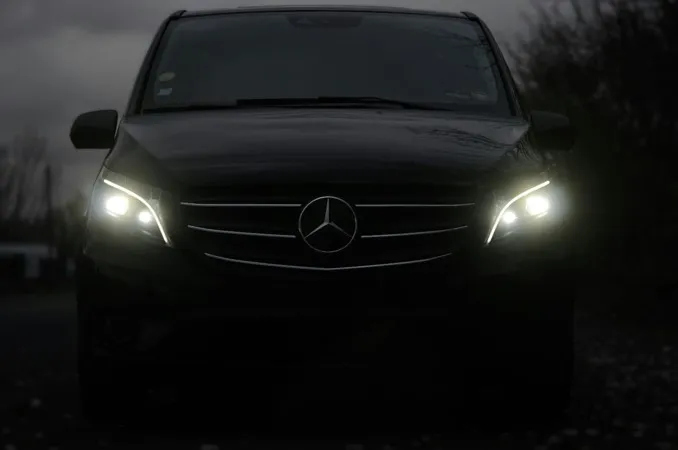
While others wrestle with luggage and Google Maps, you step out of a climate-controlled Mercedes directly at your hotel’s entrance.
Your bag touches the ground exactly zero times.
When Comfort Becomes a Strategic Choice
There’s a misconception that comfort is indulgent.
In reality, comfort is strategic.
Every ounce of energy you lose navigating logistics is energy you don’t spend enjoying Italy. Every moment of stress steals attention from architecture, food, conversation, and atmosphere.
Smart luxury isn’t about pampering—it’s about preserving mental bandwidth.
When movement is handled smoothly, your brain stays open. Curiosity survives. Patience remains intact. Italy feels generous instead of demanding.
That shift alone can change the entire trip.
The Myth of the “Easy” Italian Train System
Italy’s Frecciarossa trains are excellent: fast, sleek, and capable of serving a decent espresso at 300 km/h.
The problem isn’t the train—it’s everything surrounding it.
The Platform Peril
Take Milano Centrale during rush hour: monumental architecture, endless corridors, and platforms that change five minutes before departure.
You’ll encounter:
- The Elevator Lottery – finding a working lift that isn’t already full
- The Binario Surprise – sudden platform changes
- The Luggage Rack Hunger Games – where only the fastest survive
The Smart Luxury Alternative
A chauffeur-driven transfer from Rome to Florence or Milan to Lake Como isn’t just transportation—it’s a moving lounge.
You can nap, take calls, or simply watch Italy unfold outside the window.
No guarding luggage. No timetable anxiety.
The Illusion of Efficiency
On paper, Italy looks efficient.
High-speed trains. Dense city centers. Short distances. Everything appears manageable.
The reality is more nuanced.
Efficiency in Italy is situational. It depends on timing, familiarity, and local knowledge. What feels effortless to a local can feel chaotic to a visitor arriving tired and overloaded with information.
Smart luxury removes the illusion and replaces it with certainty.
Certainty is underrated—and incredibly powerful.
Navigating the ZTL (Zone of Total Liability)
The ZTL (Zona a Traffico Limitato) is the silent destroyer of travel budgets.
The Rental Car Nightmare
You rent a small car. You follow GPS. You unknowingly cross a ZTL line.
Six months later, fines arrive. Multiple ones.
Congratulations—you’ve sponsored Italian municipal revenue.
The Professional Advantage
Chauffeurs hold special permits. They can enter historic centers, drop you directly at hidden hotels, and navigate areas off-limits to rental cars.
This access is not flashy luxury—it’s practical brilliance.
Local Knowledge Beats Technology
GPS is useful. It is not enough.
Italian cities operate on layers of unwritten rules: temporary closures, historic exceptions, and local habits that no app can fully interpret.
This is where professional drivers excel—not through speed, but through awareness.
They know which street looks open but isn’t. Which shortcut saves ten minutes. Which entrance actually works.
In Italy, knowledge is smoother than horsepower.
The Amalfi Coast – A Case Study in Fear
The Amalfi Coast road (SS163) is famous for its beauty—and its ability to terrify confident drivers.
The Driver’s Burden
If you drive yourself, you’ll see exactly zero percent of the view.
Your eyes will be locked on the road, praying that the oncoming bus respects physics.
The Chauffeur’s Gift
Local drivers treat the Amalfi Coast like choreography.
They know every turn, every horn signal, and every perfect photo stop.
You enjoy the view. They handle the fear.
The Emotional Cost of Driving Yourself
Driving in Italy isn’t dangerous—it’s demanding.
You must negotiate constantly: space, timing, expectations. For visitors, this negotiation becomes exhausting quickly.
What’s lost isn’t just relaxation—it’s presence.
When someone else drives, your role changes. You become an observer instead of a manager. Italy turns back into a landscape instead of a problem to solve.
That emotional shift is where real luxury begins.
The Economics of Sanity
Is private transport more expensive than a bus? Yes.
Is it more expensive than your sanity? Absolutely not.
A Real Cost Comparison
- 4 First-Class train tickets: €240
- 2 taxis (stations): €60
- Porter tips & snacks: €30
- Total: €330
A private Mercedes V-Class transfer might cost €450.
For €120 more, you save hours, energy, and family harmony.
That’s a smart investment.
Time Is the Most Expensive Currency
Money is visible. Time isn’t.
Waiting, rerouting, recovering from stress—these costs rarely appear in budgets, but they shape the trip more than hotel upgrades ever will.
Smart luxury prioritizes time because time is unrecoverable.
An hour saved on logistics is an hour gained in a piazza, a museum, or a conversation you didn’t plan.
Italy rewards those hours generously.
The Guest vs. the Tourist
In Italy, how you arrive matters.
Arrive pulling bags and looking lost—you’re a tourist.
Arrive in a black car, greeted by name—you’re a guest.
This subtle shift often results in better service, smoother check-ins, and quieter respect.
Smart luxury isn’t loud. It’s noticed anyway
Sustainable Smart Luxury
Luxury is evolving. Many NCC services now operate electric or hybrid fleets.
Gliding through Milan or Rome in silence isn’t just elegant—it’s responsible.
The future of luxury is quiet, efficient, and environmentally aware.
Why Italians Understand This Instinctively
Watch how Italians move.
They don’t rush unnecessarily. They avoid complications. They value relationships with trusted professionals—drivers, baristas, shop owners—who make life smoother.
Smart luxury mirrors this mindset.
It’s not foreign to Italy. It’s deeply Italian.
Visitors who adopt it stop feeling like outsiders very quickly.
Italian Airports – Where Smart Luxury Is Decided
Italian airports are vibrant, human, and occasionally overwhelming.
After long-haul flights, signage blurs, exits multiply, and transport choices demand decisions when your brain is least prepared.
A chauffeur removes all uncertainty.
Someone is waiting.
The route is planned.
The journey simply begins.
Business Travel in Italy – Image Is Strategy
Italy is also a business powerhouse.
In Milan or Rome, arriving late or flustered sends the wrong message.
A chauffeur offers punctuality, privacy, and composure.
Business luxury isn’t indulgence—it’s preparation.
North vs. South – One Country, Two Logics
Northern Italy demands precision.
Southern Italy demands patience.
Smart luxury adapts to both.
In Milan, it saves time.
In Sicily, it saves your nerves.
Local knowledge is the real asset.
Invisible Luxury
The best luxury goes unnoticed.
The car arrives on time.
The driver knows the route.
You arrive calm.
No announcements. Just results.
Who Smart Luxury Is Really For
Smart luxury is for:
- Travelers who value time
- Families avoiding chaos
- Couples choosing romance over logistics
- Professionals who understand stress has a cost
Comfort isn’t weakness. It’s experience.
Ease Is Not Laziness
There’s a strange guilt associated with comfort in travel—as if struggle makes the experience more authentic.
Italy disagrees.
Italy believes in beauty, balance, and rhythm. It doesn’t reward exhaustion. It rewards awareness.
Choosing ease doesn’t make the experience shallow. It makes it sustainable.
And sustainable pleasure lasts longer.
The Psychology of Arrival
Arrival is not just a logistical moment. It’s a psychological one.
After hours of travel, your brain is operating in a reduced state. Decision fatigue is real. Even small choices—left or right, taxi or train, stairs or elevator—feel heavier than they normally would.
This is the precise moment when smart luxury has its greatest impact.
Removing decisions restores clarity. When someone else has already planned the route, managed the timing, and anticipated obstacles, your mind can finally switch modes. From survival to curiosity. From management to observation.
Italy is rich in detail, but detail only reveals itself when the mind is calm enough to notice it. Arrival sets that condition.
Travel Friction Compounds Quickly
Travel friction rarely arrives all at once.
It accumulates.
A delayed exit from the airport.
A confusing ticket machine.
A taxi line longer than expected.
A wrong turn that leads to a dead end.
Individually, these moments seem minor. Collectively, they reshape the emotional tone of the trip.
Smart luxury interrupts this chain reaction early. By removing friction at the start, it prevents small stresses from stacking into larger ones.
The result isn’t just comfort—it’s emotional consistency. And emotional consistency is what allows a journey to feel intentional rather than reactive.
Luxury That Respects the Destination
There’s a misconception that luxury isolates travelers from reality.
In Italy, the opposite is often true.
Smart luxury respects the destination by engaging with it correctly. It acknowledges the age of the cities, the complexity of their systems, and the rhythm of local life.
Rather than forcing efficiency onto Italy, it adapts to Italy’s logic.
This is why experienced travelers often appear more relaxed, not more rushed. They aren’t trying to conquer the country. They’re moving through it intelligently.
That approach creates better interactions, smoother experiences, and a deeper sense of belonging—even on a short stay.
When the Journey Becomes Invisible
The highest compliment you can give transportation is that you barely remember it.
Not because it was forgettable—but because it never demanded attention.
When a journey becomes invisible, the destination takes center stage. Conversations continue uninterrupted. Observations deepen. Anticipation builds instead of dissolving.
This invisibility is the hallmark of smart luxury. It doesn’t compete with the experience. It supports it quietly.
Italy, with its density of beauty, benefits enormously from this kind of support.
Choosing Ease Is a Form of Intelligence
Ease is often misunderstood.
It’s confused with laziness, indulgence, or excess. In reality, ease is a strategic choice—one that prioritizes energy, awareness, and emotional availability.
Italy rewards travelers who arrive with these qualities intact.
Those who choose ease see more, feel more, and remember more. They engage instead of endure. They participate instead of manage.
Ease isn’t the absence of effort.
It’s the intelligent placement of effort.
The True Definition of Smart Luxury
Smart luxury is not about status.
It’s not about exclusivity.
And it’s certainly not about showing off.
Smart luxury is about removing the obstacles that prevent enjoyment.
In Italy, where beauty is everywhere but effort is required to access it, that removal matters.
When movement is smooth, Italy feels generous.
When movement is stressful, Italy feels demanding.
The difference is not the country. It’s how you chose to arrive.
Travel Italy Without the Heavy Lifting
Italy will always be complex—and beautiful.
By choosing a private chauffeur, you don’t avoid Italy’s character.
You remove the unnecessary struggle.
Let your suitcase rest.
Let someone else navigate.
Enjoy Italy the smart way.
Because true luxury isn’t excess, it’s ease.